
Guide to Buying Historic Adobe Homes in Santa Fe
Santa Fe Real Estate, Adobe Homes, Historic Properties, Buying Guide
Buying a Historic Adobe Home in Santa Fe: What Buyers Must Know
Considering a move to Santa Fe and dreaming of thick adobe walls, hand-hewn vigas, and sunset views over the Sangre de Cristo Mountains? Historic adobe homes are at the heart of Santa Fe real estate, but buying one is very different from purchasing a newer, conventional property. This buying guide walks you through what buyers must know before committing to a historic adobe home, from construction quirks and inspections to financing, preservation rules, and ongoing home maintenance.
Why Historic Adobe Homes Hold Such Appeal
Santa Fe’s historic adobe homes are more than charming houses; they are tangible pieces of the city’s layered history. Built with sun-dried earthen bricks or traditional earthen plasters over masonry, these properties embody Pueblo, Spanish, and Territorial influences that define Santa Fe real estate. Buyers are drawn to:
Authentic character – rounded corners, nichos, kiva fireplaces, and vigas you simply cannot replicate easily in new construction.
Thermal comfort – thick adobe walls naturally moderate temperature, helping interiors stay cooler in summer and cozier in winter when maintained correctly.
Sense of place – owning a historic property here means living in a home that reflects Santa Fe’s culture, art, and landscape.
Yet the same features that make adobe homes magical can surprise first-time buyers. Understanding how these structures work is essential before you write an offer on any historic property in Santa Fe.
Adobe Construction 101: How These Homes Are Different
Traditional adobe homes are built from earthen bricks or solid earthen walls composed of sand, clay, straw, and water. Modern Santa Fe real estate also includes “faux adobe” – frame construction covered in stucco that mimics the look. When you are buying a historic adobe home, you want to know which you are getting and how the structure has been modified over time.
True adobe often has very thick exterior walls, deep window wells, and a softer, organic feel to corners and transitions. These homes may use earthen or lime plasters that allow the walls to “breathe.”
Adobe hybrids might combine original earthen walls with later additions in concrete block, brick, or wood framing, all tied together with stucco. Understanding where materials change is crucial for future renovations and maintenance.
Frame-and-stucco “adobe style” homes may look historic but behave more like conventional houses. They can still be wonderful, but they are not the same as a true adobe structure.
💡 Pro Tip: Ask your inspector or contractor to show you an exposed section of wall or attic where you can see the structural materials. This is one of the simplest ways to confirm whether you are buying a true adobe home or a stuccoed frame house.
Historic Designations and Local Regulations in Santa Fe
Many of Santa Fe’s most sought-after adobe homes sit in historic districts or carry specific historic designations. These layers of protection preserve neighborhood character but also shape what you can and cannot do with your home after purchase.
Historic districts often regulate exterior changes: window styles, rooflines, stucco color and texture, and street-facing additions may require review and approval by local boards or commissions.
Conservation easements or covenants may limit major alterations but can help ensure your investment retains its historic charm and long-term value in the Santa Fe real estate market.
In some cases, tax incentives or grants may be available for approved restoration work on qualifying historic properties, offsetting part of your maintenance or rehabilitation costs.
Before you close on a historic adobe home, review zoning, overlay districts, and any preservation guidelines with your agent and, if needed, a local land-use professional. This ensures your long-term plans—whether adding a studio, updating windows, or reconfiguring outdoor space—align with what is actually permitted.
Inspections and Due Diligence: Looking Beyond the Stucco
A thorough inspection is vital in any real estate transaction, but with historic adobe homes, specialized knowledge is especially important. Standard home inspectors may not be familiar with earthen construction, traditional plasters, or older flat roof systems common in Santa Fe real estate. When possible, hire professionals who have direct experience with adobe structures.
Moisture and drainage – Adobe’s biggest enemy is prolonged moisture. Inspect grading, gutters (if present), canales, and roof drainage to ensure water is carried away from the walls and foundations. Look for staining, soft spots, or bulging stucco that may signal hidden damage.
Roof condition – Many historic properties have flat or low-slope roofs with parapets. Ponding water, cracked membranes, or poorly maintained parapet caps can allow water into adobe walls. Roof repairs and replacements can be significant line items, so get detailed estimates during your contingency period.
Foundation and structural movement – Some hairline cracking is normal in older adobe homes, but wide or stair-step cracks, sloping floors, or doors that no longer close properly may warrant further evaluation by a structural engineer familiar with earthen construction.
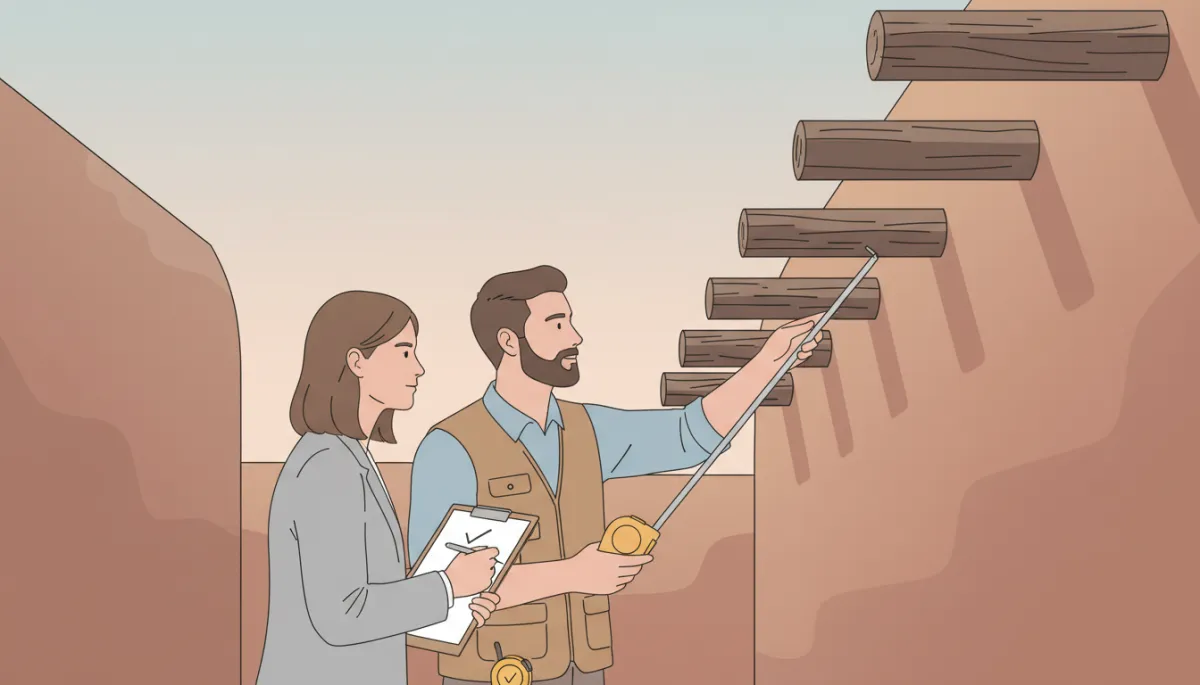
Specialized inspections reveal issues unique to adobe homes before you commit to purchase.
Financing, Insurance, and Appraisals for Historic Properties
Buying a historic adobe home in Santa Fe can introduce a few extra steps in the financing and insurance process. Most lenders are comfortable with adobe construction, but they may request additional documentation to understand the property’s condition and value relative to other Santa Fe real estate.
Appraisals for unique adobe homes sometimes require appraisers with local expertise, as comparable sales (“comps”) can be hard to find. Distinctive features, historic designations, and high-end restoration work all influence value.
Insurance carriers may ask how the home is constructed, what kind of roof you have, and whether systems have been updated. Working with an agent familiar with historic properties can simplify this process and help you secure appropriate coverage.
If the home is in a designated historic district, ask your lender and insurance provider whether any special requirements apply, such as documentation of approved renovations or specific repair methods.
📌 Key Takeaway: Choose a lender, appraiser, and insurance agent who understand Santa Fe real estate and adobe construction. Their familiarity can prevent delays and surprises during closing.
Home Maintenance for Adobe: Planning for Long-Term Stewardship
When you buy a historic adobe home, you are not just purchasing a property—you are becoming a steward of a traditional building system. Thoughtful home maintenance is central to protecting both your investment and the home’s historic character. Fortunately, with consistent care, adobe homes can last for centuries.
Stucco and plaster upkeep – Exterior stucco acts as the home’s protective skin. Inspect it annually for cracks, bulges, or areas where moisture may be entering. Repairs should be done with compatible materials; overly hard or non-breathable coatings can trap moisture in adobe walls.
Roof and drainage checks – In Santa Fe’s high-desert climate, intense sun and occasional heavy rains can wear down roofing materials. Regularly clear canales, check parapet caps, and address ponding water quickly to protect earthen walls below.
Interior comfort and systems – Many historic properties have been retrofitted with radiant heat, mini-splits, or upgraded windows. Ensure systems are sized appropriately for thick adobe walls and that any new work respects the home’s structure and finishes.
💡 Pro Tip: Build an annual maintenance budget into your buying plan. Even modest, consistent investments in stucco touch-ups, roof inspections, and drainage improvements can prevent much more expensive repairs later.
Working With the Right Team in the Santa Fe Market
Because historic adobe homes are so distinctive, the professionals you choose can make a significant difference in your experience as a buyer. Santa Fe real estate is a specialized market, and local expertise is invaluable at every step of the buying guide.
Partner with a real estate agent who regularly represents buyers and sellers of adobe homes and historic properties. They can flag potential issues early, interpret disclosures, and help you compare homes that may not be directly comparable on paper.
Consult contractors and craftspeople experienced in adobe construction if you are planning renovations. They understand how to integrate modern conveniences while preserving traditional materials and details.
If the property is in a historic district, consider a brief meeting with a design professional who has navigated local review boards. They can help you set realistic expectations for future projects.
Is a Historic Adobe Home Right for You?
Buying a historic adobe home in Santa Fe is as much an emotional decision as a financial one. These homes invite you into a slower rhythm: thick walls that quiet the outside world, courtyards that catch the evening light, and architectural details that tell stories of generations past. At the same time, they require a buyer who appreciates the responsibilities that come with owning a historic property.
If you are drawn to authenticity, comfortable with a bit of ongoing home maintenance, and willing to work within preservation guidelines, an adobe home can be an extraordinary fit. With the right preparation, team, and mindset, you can navigate the Santa Fe real estate market confidently and find a historic property that feels like a true sanctuary.
Use this buying guide as a starting point: ask detailed questions about construction, inspections, regulations, and long-term care. Then, when you step through the thick wooden door of a sun-washed adobe and feel that unmistakable sense of place, you will be ready to recognize not just a beautiful house, but a historic home you can happily and responsibly call your own.